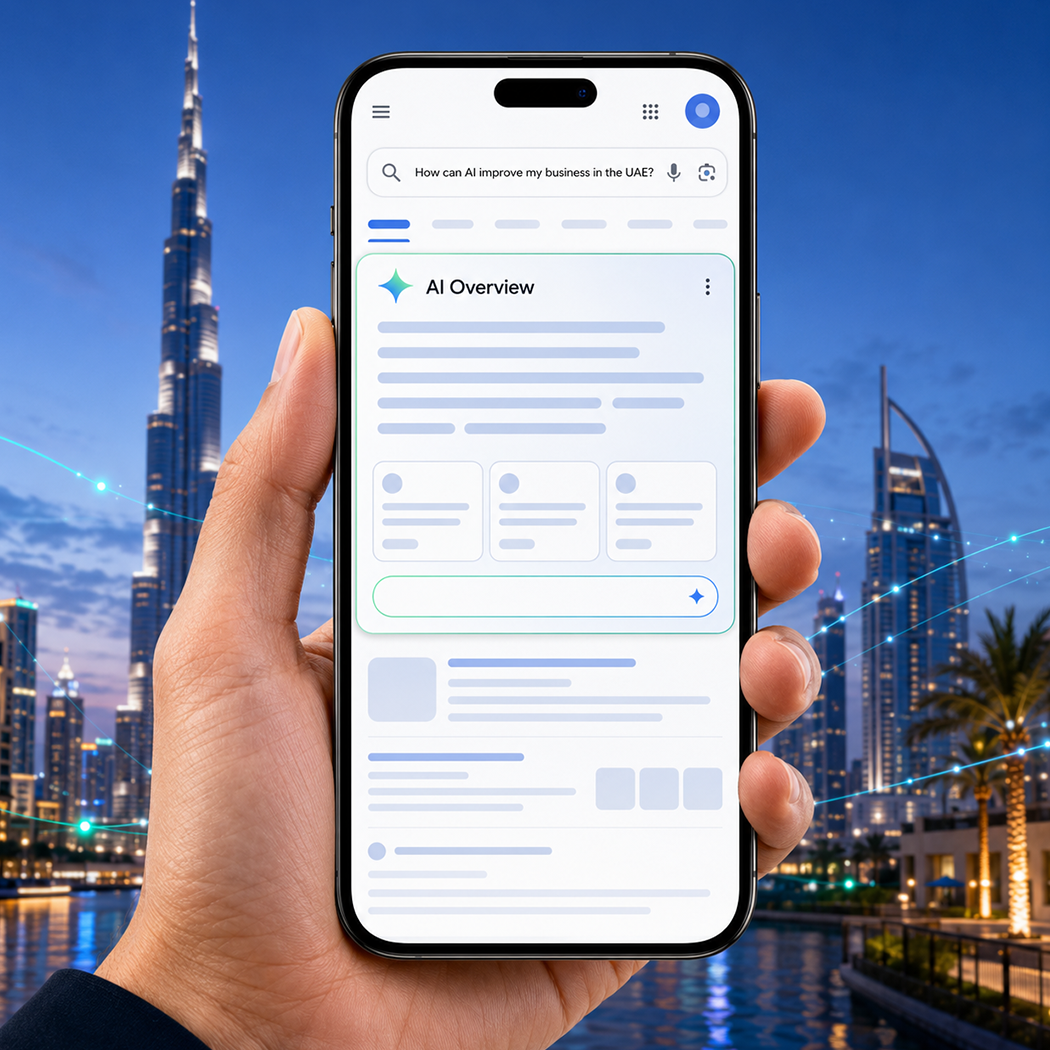
If your UAE-based website isn’t prepping for AI, you’re already behind.
The numbers don’t lie! $96 billion potential GDP boost by 2030, government services going fully AI by 2027, and a quarter of Dubai’s transport going driverless.
This isn’t sci-fi! It’s your new business reality. While Abu Dhabi invests $100 billion in chips and Arabic AI models, schools mandate AI classes.
Also, your competitors are already optimizing their sites for AI search, chatbots, and predictive tools. The train’s moving! Your choice is to board it or watch it leave the station.
Importance of AI Readiness in the UAE
The UAE’s digital transformation is moving fast, much faster than many businesses realize. Step into any government office now and you’ll see AI handling paperwork that used to take days.
Visit a modern Dubai shop, and the website already knows what products you looked at last week. This isn’t science fiction. It’s what customers now expect as normal.
Here’s what’s changing:
Customer Expectations
People want websites that remember them. If you search for abayas in Arabic today, the site should show abayas when you return tomorrow, in Arabic, without asking.
Business Needs
Smart companies use AI to:
- Answer 70% of customer questions instantly
- Predict which products will sell best next season
- Spot fake reviews before they mislead consumers
Government Direction
With initiatives like Smart Dubai, outdated websites risk becoming incompatible with new digital services.
The good news? You don’t need a tech team to start. Many tools plug directly into existing websites, learning as they go. But the time to act was yesterday. Tomorrow may already be too late in the UAE’s accelerated digital economy.

5 Ways to Make Your UAE Website AI-Ready in 2026
Here are some ways you need to know:
Way 1: Optimize Website Infrastructure for AI Integration
AI is reshaping websites, but only if your tech can handle it. Here’s how to future-proof your site in 2026.
-
Adopt Scalable Cloud Hosting
UAE-based cloud providers (like AWS or Azure) offer the power and speed AI tools demand.
Local data centers keep everything fast and legal under UAE data laws. Think of it like upgrading from a scooter to a sports car, same road, way more power when needed.
-
Implement API-Friendly Architecture
Your website should chat easily with AI. RESTful APIs or GraphQL act like translators, letting your site connect to chatbots, recommendation engines, and other smart tools.
For example, plug into IBM Watson for customer service AI. Without this, adding AI later means rebuilding half your site. It’s like adding electrical wiring before the walls go up, way cheaper than fixing it later.
-
Enhance Website Speed and Performance
AI features (like instant search or live help) hate slow sites. Optimize pictures, use UAE-based CDNs, and cache aggressively. A one-second delay can kill AI-powered interchanges.
Test tools like PageSpeed Insights. If your site scores low, a web development agency can tighten up the tech stack. Fast sites don’t just rank better. We make AI tools actually usable.
-
Secure Mobile Responsiveness
100% of UAE users browse on phones. If your site struggles on mobile, AI features (voice search, virtual assistants) will flop.
Responsive design isn’t optional. It’s the foundation. Test on real devices, not just simulators. Mobile-first isn’t a trend. It’s how AI reaches users.

Way 2: Smarter Customer Service with AI Assistants
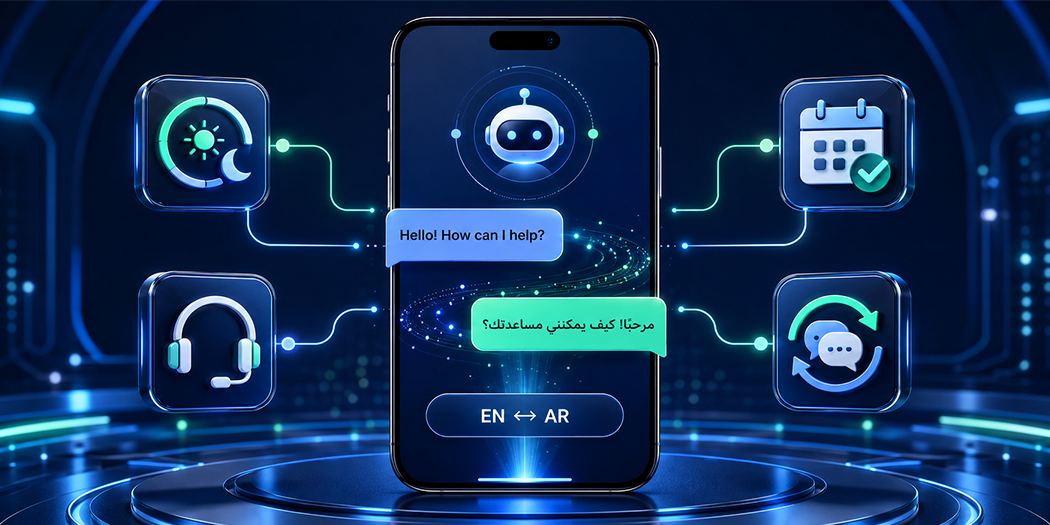
Buyers today want instant responses day or night. Well-built chatbots take routine queries so your team can concentrate on tough issues that need a human touch.
-
Multilingual Support That Works
In Dubai Mall, a single conversation might mix Arabic, English, and Hindi. Your chatbot needs to follow along seamlessly, understanding not just words but how real people talk.
-
Always-On Availability
When a tourist messages at midnight about a hotel booking or a worker asks about bank fees before dawn, your AI assistant should respond immediately with accurate information.
-
Watertight Data Protection
Configure your system to automatically:
- Get clear permission before collecting data
- Encrypt all conversations
- Regularly purge sensitive details as required by UAE cyber laws.
-
Local Cultural Smarts
Program your bot to recognize Emirati phrases, respect local traditions during Ramadan, and understand typical abbreviations used in SMS chats. Test with real users monthly.
Way 3: Smarter Personalization with AI
Generic websites feel outdated. Today’s buyers expect experiences tailored just for them. Here’s how AI makes that potential without needing a tech team.
-
Smart Product Suggestions
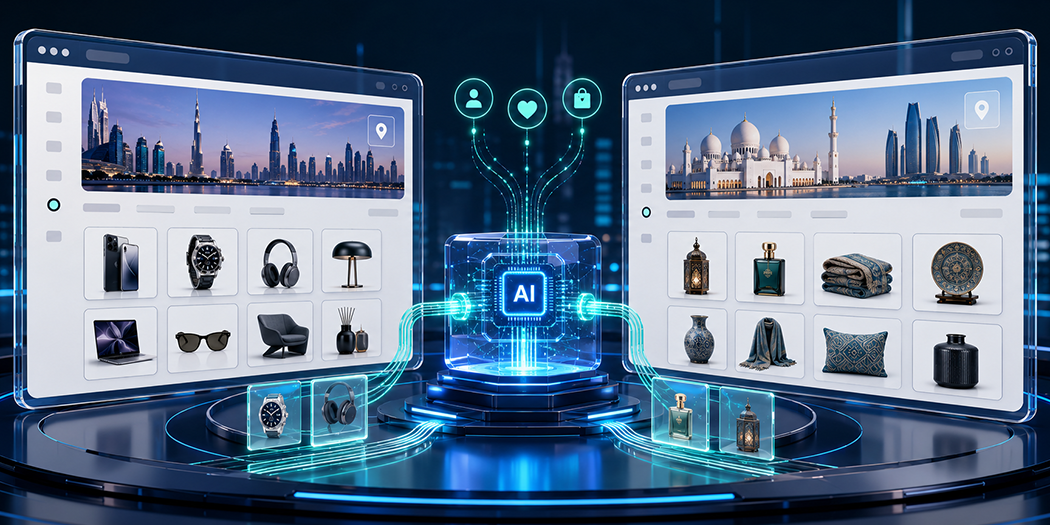
Notice how Amazon shows “you might also like” items? SEMA Brands implements similar AI that learns from each visitor’s clicks to recommend relevant products, increasing average order values by 15-20%.
-
Location-Aware Content
Your Dubai customer sees different promotions than someone in Abu Dhabi. AI automatically swaps banners, deals, and even blog topics based on where visitors browse from and what they’ve bought before.
-
Learning from User Behavior
See which products get compared most, where users hesitate, and what makes them convert. Simple heatmaps and scroll tracking reveal how to rearrange your site for better UAE conversions.
-
Testing What Works Best
Run automatic tests where half of the Sharjah visitors see Version A of a product page, half see Version B. AI determines the winner and implements it, no guessing required.
Way 4: Smarter Website Search with AI
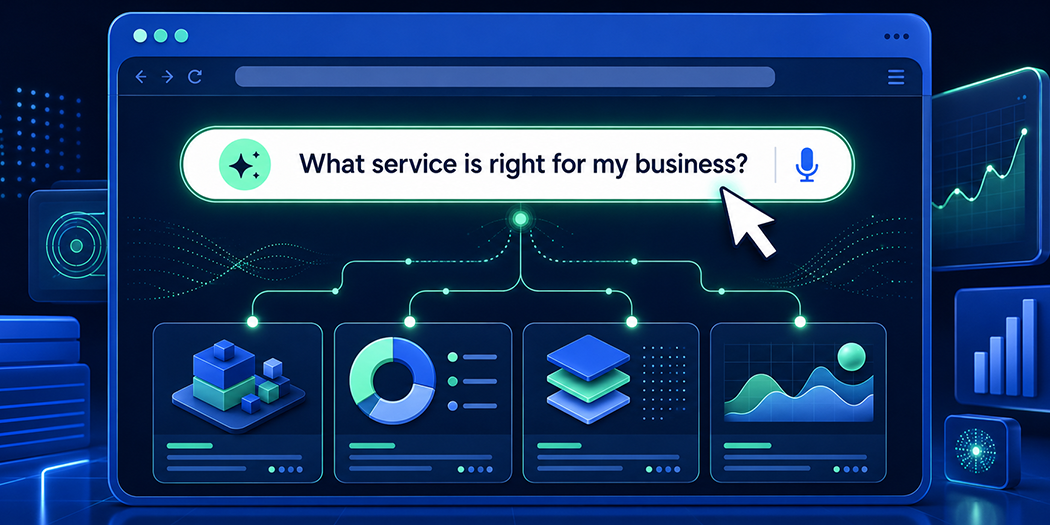
Visitors go when they can’t find what they need. AI transforms bulky search boxes into helpful assistants that understand what people really want.
-
Smarter Search That Understands Meaning
Traditional search fails when users type conversational phrases. Modern AI understands “black abaya for Dubai summer” means lightweight, breathable fabrics in current styles, not just pages containing all those words.
-
Voice Search Ready
With 60% of UAE smartphone users using voice search, your site must answer spoken queries like “Where’s the nearest store with size 12 sneakers?” Test using actual voice recordings from local customers.
-
Location-Smart Results
Search for “salon” should show Abu Dhabi options to Abu Dhabi users, Dubai options to Dubai users. AI automatically considers location, season, and even local events when ranking results.
-
Continuous Learning
When Emirates launches a sale, “flight deals” searches spike. AI tracks these patterns, adjusting results weekly. Monthly human reviews ensure it doesn’t miss subtle UAE market shifts that no algorithm could predict.
Way 5: Safe and Responsible AI for Your Website
AI needs barriers. As you implement smart features, protecting user data and maintaining trust becomes your top priority. Here’s how to do it right.
-
Follow UAE Data Laws
The UAE’s strict data laws require careful handling of customer information. Always strip personal details before feeding data to AI systems. Document your processes. Regulators may ask to see them during compliance checks.
-
Lock Down Your Data
Imagine your data flowing through secure tunnels. Use military-grade encryption both for stored information and when transferring it to AI services. Never let customer data travel or rest unprotected.
-
Build Fair AI Systems
Test your AI with diverse user batches, Emiratis, expats, and different age ranges. Ensure guidance and decisions don’t favor any group unfairly. Document how your AI makes choices to explain it if questioned.
-
Check for Weak Spots
Hire local cybersecurity experts to stress-test your AI systems quarterly. They’ll find holes before hackers do. Keep an updated incident response plan. Knowing who to call when something goes wrong matters most.

FAQs
Will 90% of online content be made by AI by 2026?
AI is creating lots of online content these days, but we’re nowhere near 90% yet. Most stuff you read still gets written or heavily edited by actual people. Expect more AI-assisted content, but pure AI won’t dominate that quickly. People still prefer human touches.
Will AI replace web developers?
No, but it’ll change their jobs. AI handles repetitive coding tasks, but developers will focus more on complex problems and creative solutions. The role evolves, but doesn’t disappear.
What is the future of websites with AI?
Websites will become smarter, automatically personalizing content, fixing errors, and adapting layouts. But they’ll still need human designers for branding and user experience. AI improves, but doesn’t replace a good system.
Will AI replace web programmers in 20 years?
Unlikely. Programming will change, with AI writing basic code. But humans will still be needed to comprehend business needs, decode unique issues, and make decision calls that AI can’t handle.
Will ChatGPT replace web designers?
Not a chance. ChatGPT helps with code snippets and ideas, but can’t build complete, functional websites alone. Developers use it as a tool, like an advanced search engine for coding help.
Conclusion
The UAE’s AI transformation will reshape every website’s role. Yours can either become a dynamic tool that anticipates user needs through AI, or remain a static brochure in a smart economy.
With billions pouring into infrastructure and talent, the ecosystem is being built right now. Those who adapt earlier will dominate search rankings, customer experience, and performance efficiency.
Delay costs customers. While you hesitate, competitors using AI tools will pull ahead. Now’s the time to get to work. Your website’s AI upgrade can’t wait till 2026.